

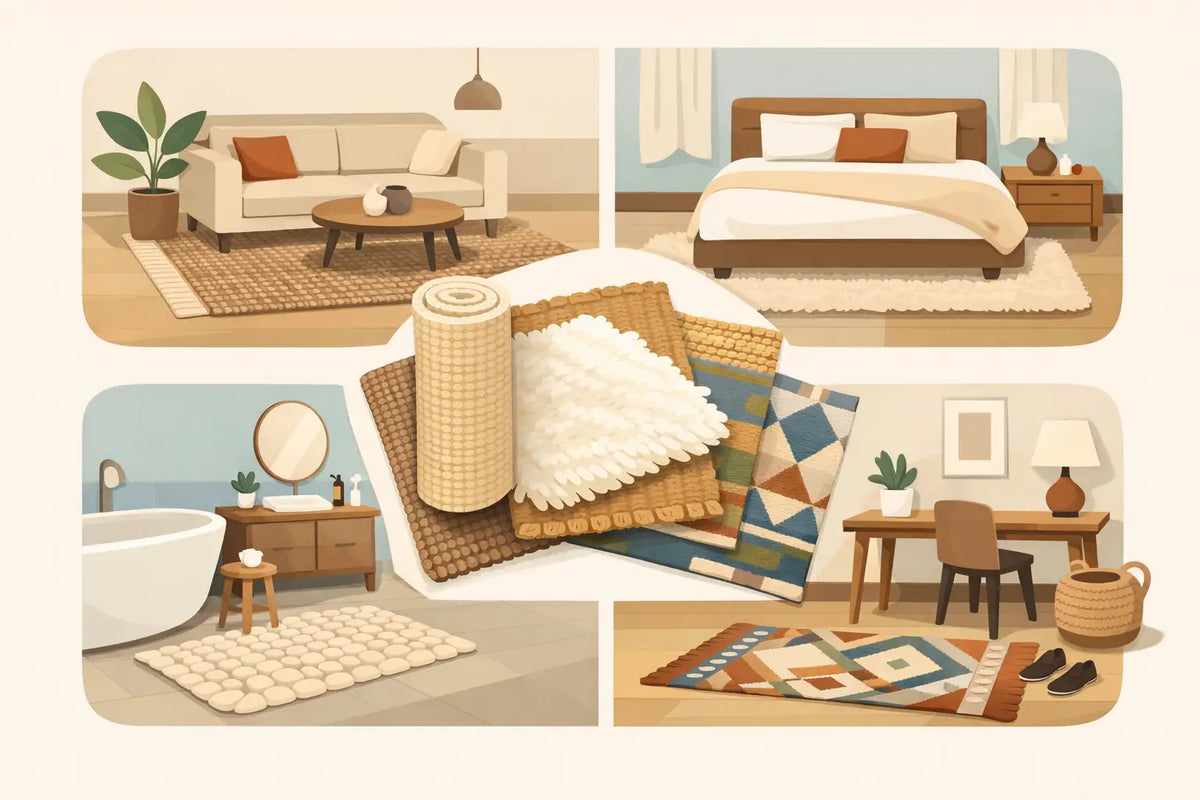
A rug can look perfect online, then feel completely wrong underfoot if the material does not suit the room. This guide to rug materials makes the choice simpler, whether you are styling a quiet bedroom, a busy family lounge, a pet-friendly dining area or an outdoor entertaining zone. The best option is not always the softest or most expensive one. It is the rug that looks good, feels right and can keep up with your version of real life.
A guide to rug materials starts with how you live
Before falling for a colour or pattern, think about what happens in the space every day. A cream wool rug can be a beautiful choice for a formal living room, but it may not be the easiest fit beneath a toddler's snack chair. Likewise, a hard-wearing synthetic rug can be a clever choice for a high-traffic hallway, even if you prefer natural fibres elsewhere.
Ask yourself three practical questions: Will people walk through this room in shoes? Are spills, pets or little hands part of the picture? And how much upkeep are you genuinely happy to do? Your answers will point you towards the right pile, fibre and construction.
Material affects more than durability. It changes texture, warmth, how a rug holds colour, how it handles moisture and the type of care it needs. It also influences price, so understanding the trade-offs helps you buy well the first time.
Natural rug materials: texture, warmth and character
Wool rugs
Wool is a favourite for good reason. It is naturally soft, insulating and resilient, with fibres that bounce back well after furniture and foot traffic. Quality wool rugs bring a warm, elevated finish to living rooms, bedrooms and calm, considered spaces where comfort matters.
Wool also has natural resistance to dirt and odours, making it more practical than many people expect. However, it is not completely carefree. Promptly blot spills, avoid soaking the fibres and arrange professional cleaning for significant marks. New wool rugs can shed at first, particularly deeper-pile styles, but regular gentle vacuuming usually reduces this over time.
Choose wool when you want a long-lasting rug with a premium feel and you are happy to give it a little care. It suits Aussie homes especially well in bedrooms and living areas, adding insulation on cooler mornings without feeling out of place through summer.
Jute and other plant fibres
Jute is loved for its relaxed, earthy texture. Its warm, sandy tones and visible weave pair beautifully with coastal, organic, Scandinavian and modern Australian interiors. A jute rug makes a room feel grounded without adding visual fuss, which is why it works so well under timber furniture, linen sofas and light-filled dining tables.
The trade-off is that jute is best kept dry. It does not love heavy spills, damp bathrooms or exposed outdoor areas, and its textured surface can feel firmer under bare feet than wool. Some natural variation, sprouting fibres and uneven colour are part of its character rather than faults.
Sisal and seagrass offer a similar natural look but tend to feel even more structured and firm. These fibres are excellent for defining a dining room or adding interest to a low-traffic living space. For a soft landing beside the bed, wool or a soft synthetic pile is usually the better call.
Cotton rugs
Cotton rugs are lightweight, soft and often easier to move or wash than heavier natural-fibre options. They are a handy choice for bedrooms, nurseries, casual living areas and smaller spaces that need an easy refresh. Flatwoven cotton styles also layer neatly over larger natural-fibre rugs.
Cotton is generally less durable than wool and may show wear sooner in a busy entryway or under dining chairs. It can also absorb spills quickly. Think of cotton as an affordable, relaxed option for lower-traffic rooms rather than a forever rug for the busiest part of the home.
Viscose and bamboo silk rugs
Viscose and bamboo silk rugs are all about sheen. Their fibres catch the light beautifully, creating a luxurious, almost velvet-like finish that can make a bedroom or formal lounge feel instantly more refined. They are a lovely option where visual impact matters more than rugged performance.
These materials need gentle treatment. Water and friction can affect the pile, and they are not ideal for households with muddy paws, frequent spills or heavy foot traffic. Place them in a low-traffic room, vacuum with care and consider a rug underlay to reduce movement and wear.
Synthetic rug materials: made for busy households
Polypropylene rugs
Polypropylene is one of the most practical materials for family homes. It is durable, colourfast and resistant to many everyday stains, making it a smart choice for dining rooms, hallways, playrooms and living areas that see plenty of action. It is also commonly used in outdoor rugs because it handles moisture far better than natural fibres.
For pets, kids and busy schedules, polypropylene offers serious peace of mind. Many spills can be treated with water and a mild detergent, provided you act quickly and follow the care instructions. It is often more affordable than wool too, so you can choose a generous size without blowing the decorating budget.
The compromise is feel. Modern polypropylene rugs can be impressively soft, especially higher-pile designs, but they do not have quite the same natural warmth or depth as wool. For a hard-working room, that is often a very worthwhile trade-off.
Polyester rugs
Polyester is known for its softness and rich colour. It is often used in plush, printed and modern rugs, including many washable options. If you want a silky feel underfoot, a detailed pattern or a rug that brings a strong pop of colour to a bedroom or lounge, polyester is worth considering.
It resists water-based stains reasonably well, although oily marks can need more attention. Polyester may flatten in very high-traffic areas, so it is better for bedrooms, occasional spaces and living rooms with moderate use than a constantly busy hallway.
Recycled polyester is also becoming more popular for households looking to make a more considered material choice. It can offer the same softness and performance benefits while giving existing materials a second life.
Nylon rugs
Nylon is exceptionally tough and springy. It resists crushing well, which makes it a strong performer in high-traffic areas such as entryways, corridors and family zones. It is less common in decorative area rugs than polypropylene or polyester, but where durability is the priority, it deserves attention.
Nylon can be a more premium synthetic option, and the look will depend heavily on the weave and pile. Choose it for performance first, then find a style that suits your home.
Choosing the right material room by room
The room often makes the decision easier. In a living room, wool suits a polished, comfortable look, while polypropylene is ideal for a family space where snacks, pets and movie nights are all on the agenda. A low-pile or flatweave rug is easier to vacuum and lets furniture sit more steadily than a very thick shag style.
For bedrooms, softness leads the way. Wool, polyester and cotton can all work beautifully, depending on your budget and desired feel. A plush pile creates a cosy first step out of bed, while a flatweave gives a more tailored, minimalist finish.
In dining rooms, choose a material that can handle dropped food and sliding chairs. Polypropylene is the practical front-runner, while a low-pile wool rug can work in a quieter household. Avoid very thick pile, long fringe and delicate viscose beneath a dining table - they make chair movement and clean-up harder than they need to be.
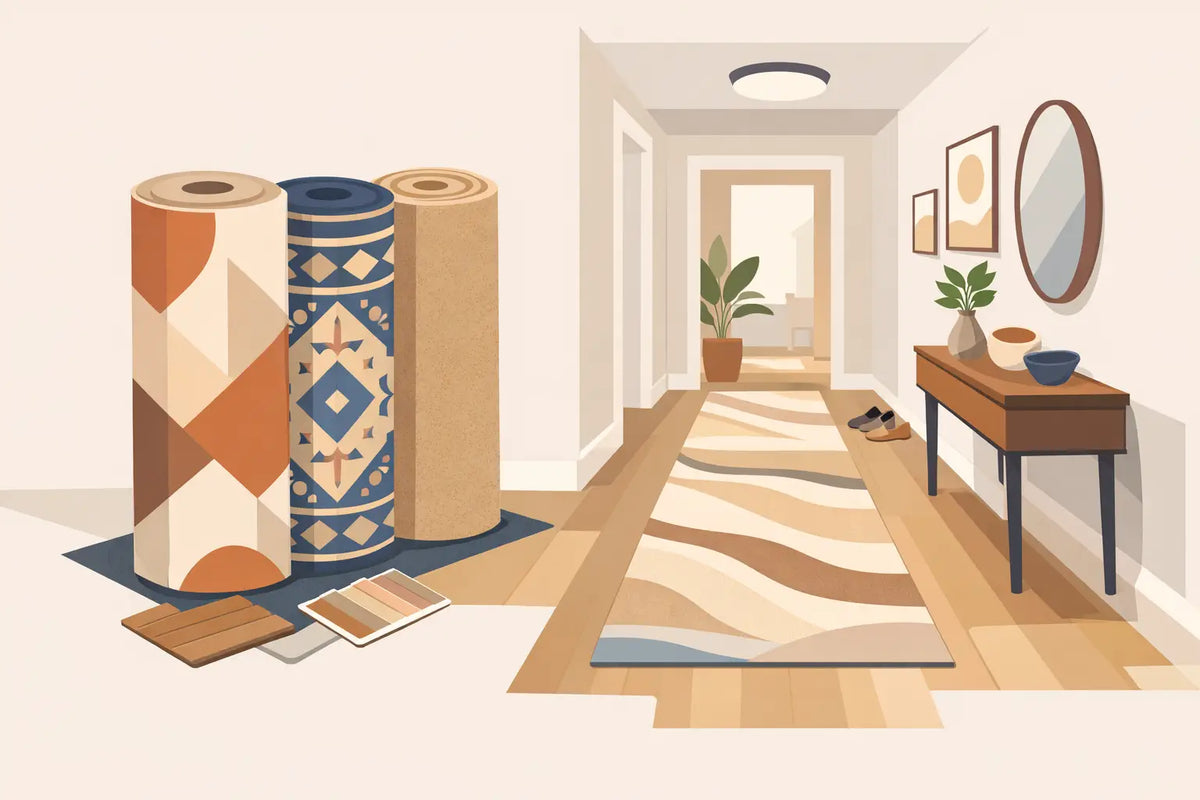
Hallway runners need to be durable, low-profile and easy to maintain. Polypropylene, nylon and tightly woven wool are reliable choices. Look for a pattern or mid-tone colour if the area gets a lot of foot traffic, as it will be more forgiving between cleans.
For outdoor spaces, use a rug specifically designed for outdoors. Polypropylene is the usual choice because it manages sun, moisture and the occasional splash far better than natural fibres. Even outdoor rugs benefit from being aired out, cleaned regularly and brought under cover during prolonged wet weather.
Pile and construction matter as much as fibre
Two rugs made from the same material can perform very differently. A flatweave has no raised pile, so it is lightweight, practical and easy to place beneath doors or dining furniture. It suits hallways, kitchens, dining areas and layered looks.
A low-pile rug offers a little more softness while staying easy to clean. Medium and high-pile rugs feel plush and inviting but can hold more dust, pet hair and crumbs. They are best reserved for bedrooms and low-traffic lounges where comfort is the priority.
Hand-knotted and handwoven rugs often carry more individual character and craftsmanship, while machine-made rugs can deliver excellent style and value for everyday spaces. Neither is automatically better. The right construction depends on the look you love, the budget you have and how hard the rug will need to work.
Care tips that protect your rug investment
Whatever material you choose, a few simple habits make a noticeable difference. Vacuum regularly using the right setting for the pile, rotate the rug every few months to even out sun exposure and foot traffic, and blot spills immediately rather than rubbing them in. A quality underlay adds grip, protects the backing and can make a rug feel more comfortable underfoot.
Always check the individual care label before spot cleaning. Washable rugs are wonderfully convenient, but larger sizes may still need a commercial-size machine or professional laundry service. For wool, jute and viscose, less water is generally safer.
A well-chosen rug should make your home feel more like yours, not give you another thing to worry about. Choose the material that suits the way your household actually lives, then enjoy the comfort, colour and personality it brings to the room.


Leave a comment
This site is protected by hCaptcha and the hCaptcha Privacy Policy and Terms of Service apply.