


A hallway runner does more than soften hard flooring. It sets the mood from the moment you walk through the door, protects high-traffic areas and makes a narrow passage feel considered rather than forgotten. Knowing how to choose hallway runners comes down to a few practical details: proportion, pile, colour and how your household really lives.
For a busy family home, that might mean a low-pile washable design that can handle muddy paws and school bags. In a quieter apartment or a formal entry, it could be a richly textured wool runner that brings warmth underfoot. The best choice is one that looks right on day one and still works beautifully after thousands of trips down the hall.
How to choose hallway runners by size
Measure first, then fall in love with the design. Hallways vary far more than standard runner sizes suggest, particularly in older homes, terraces and renovated spaces where walls may not be perfectly parallel.
As a guide, leave a visible border of flooring on both sides of the runner. Around 10 to 15 cm is usually enough for a balanced look in a standard hallway, while a wider hall can carry a more generous border. A runner that stretches wall to wall can make the space feel cramped and is more likely to curl at the edges.
Length matters just as much. Your runner should follow the main walkway while leaving some floor visible at each end. For a long passage, this generally means stopping 15 to 30 cm before the doorway or wall. In a short entry hall, avoid choosing a runner that is too small for the zone - it can look like an afterthought rather than an intentional layer.
If your hallway includes a turn, a doorway halfway along or an awkwardly placed console, treat each section on its own merits. Two coordinated runners can look more polished and perform better than one oversized piece bent around a corner. Measure the clear walking path with doors open, too. You need enough room for doors to swing without catching the rug.
Choose a pile height for real life
A hallway sees plenty of action: shoes, pets, prams, grocery bags and the daily rush out the door. That makes low-pile and flatweave runners a smart starting point for most Aussie homes. They sit neatly beneath doors, are easier to vacuum and are less likely to trap dust and debris than a deep, shaggy pile.
Flatweave rugs have a clean, tailored look that suits modern, coastal and relaxed interiors. They are also a practical choice when you need a slimmer profile. A low-pile woven runner adds a little more softness and texture while remaining easy to live with.
Plush wool or high-pile runners can be beautiful in a low-traffic upstairs hall or a home where comfort is the priority. The trade-off is maintenance. They may show compression, collect more dirt and need more attentive care, especially near an entry. If you love the look, choose a pattern or flecked finish that disguises everyday marks.
Pick a material that suits the traffic
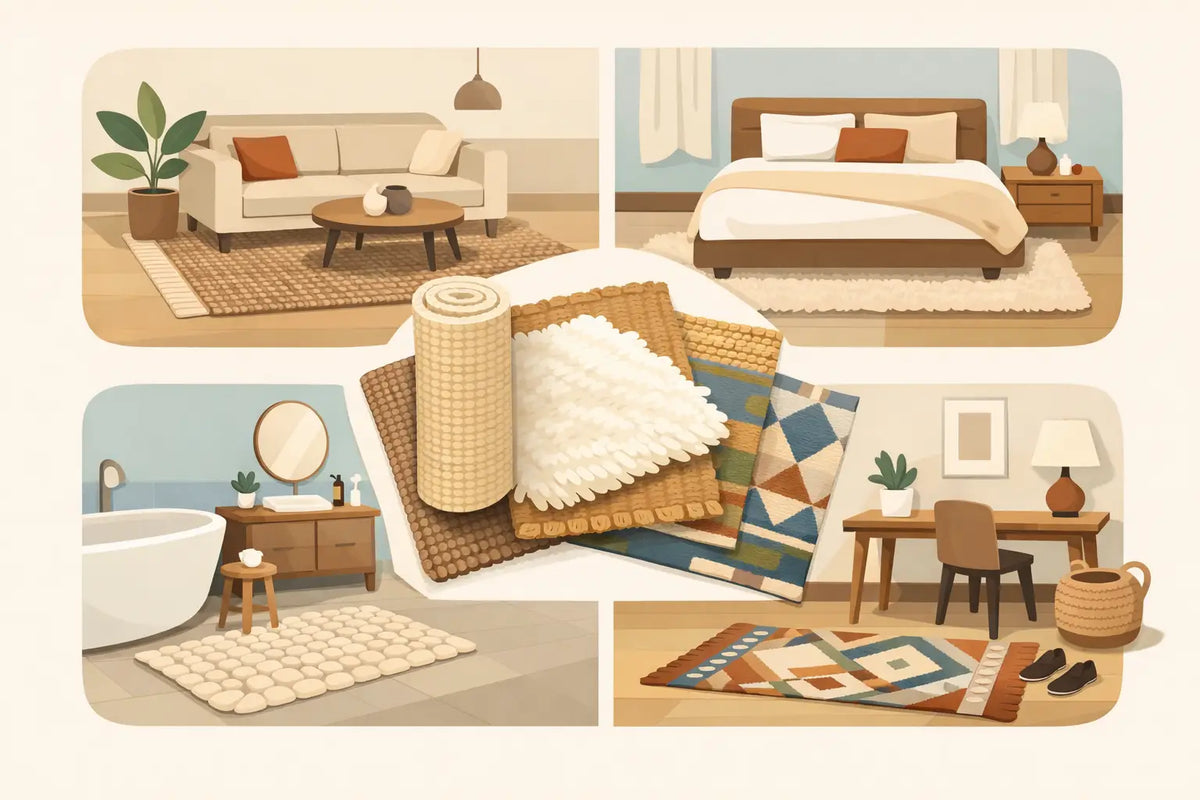
The material changes how a hallway runner feels, wears and cleans. There is no one best fibre - it depends on where the runner sits and who walks over it.
Wool is naturally resilient, warm and beautifully tactile. Its fibres have a little spring, helping the rug recover after foot traffic, and its subtle variations suit homes with a timeless or elevated feel. A wool runner is a worthwhile choice for an interior hallway, though it is usually best kept away from constant wet shoes and heavy outdoor grime.
Synthetic fibres, such as polypropylene and polyester, are often ideal for hardworking entryways and family zones. They are typically stain-resistant, affordable and easy to care for, with plenty of designs that mimic the softness and detail of natural fibres. Look for a quality weave and a dense finish rather than focusing on fibre alone.
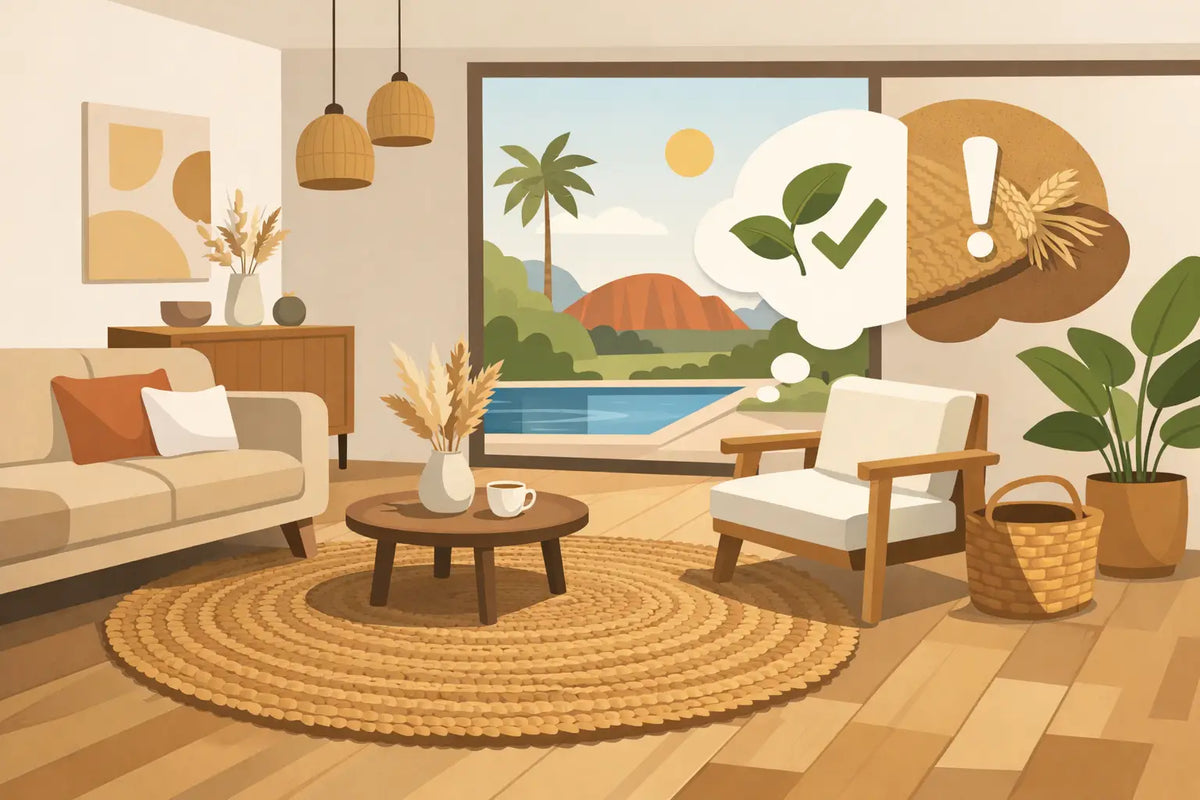
Natural fibres such as jute bring texture and an easy, earthy warmth. They work particularly well in dry, low-to-medium traffic halls, but can be less forgiving with spills, moisture and pet accidents. Their rustic character is part of the appeal, so they suit homes where a little natural variation feels right.
Washable runners are worth considering near the front door, laundry or kitchen-adjacent hallway. They make sense for homes with young children, pets or a regular flow of visitors. Check the care instructions before buying, especially the maximum washing machine size and whether the runner needs air drying. A larger washable runner can be practical, but only if it is genuinely manageable in your home.
Let colour and pattern do some work
Hallways are often short on natural light, which can make colour selection feel tricky. A pale runner can brighten a dark corridor and create an airy, open feel. However, very light plain rugs can reveal every scuff, footprint and speck of dust in a high-traffic zone.
Mid-tones are often the sweet spot. Think warm sand, soft grey, muted olive, clay or denim-inspired blue. They are flexible enough to work with changing décor and far more forgiving than bright white or solid charcoal. A subtle patterned runner is one of the easiest ways to hide everyday wear without making the hallway feel busy.
For a narrow hall, pattern can create a sense of movement. Stripes running lengthways visually stretch the space, while a repeating geometric or traditional motif brings rhythm to a plain corridor. If your nearby rooms already have statement wallpaper, bold art or patterned rugs, choose a quieter runner with texture rather than another competing print.
Don’t forget the flooring. A runner should provide contrast without looking disconnected. On pale timber, a deeper earthy tone can anchor the space. Against dark floors, a lighter wool, neutral flatweave or soft vintage-style pattern can lift the hall. Take note of the undertones in your floorboards, tiles and wall paint - cool grey, warm beige and honey timber do not always play nicely together.
Check grip, construction and clearance
A beautiful runner is only useful if it stays put. On timber, tile, polished concrete or vinyl, use a good-quality non-slip rug underlay cut slightly smaller than the runner. It helps prevent movement, adds cushioning and can protect the floor beneath. Even runners with a grippy backing may benefit from underlay, particularly in a busy household.
Pay attention to the edges as well. A tightly bound or neatly finished edge is less likely to fray, while tassels can be lovely in a relaxed bedroom hall but may become a trip hazard near a frequently used door. If mobility aids, small children or energetic pets are part of the picture, a flat, secure edge is the safer call.
Before ordering, check the runner’s total thickness against nearby doors. This small step avoids the frustrating discovery that your front door scrapes across your new rug. Low-profile runners are usually the easiest option for narrow halls with multiple doorways.
Style the runner as part of the whole home
Your hallway is a transition space, so the runner does not need to match every room exactly. It should, however, feel connected. Repeat one colour from the living room cushions, bedroom linen or artwork to create a natural thread through the home.
A runner can also bring personality to a hall that has little room for furniture. Pair it with a slim console, a mirror or a simple wall hook arrangement, but leave the walkway clear. In compact homes, the runner itself may be the main decorative feature - choose one you will enjoy seeing every time you come home.
At Cozy Rugs, the easiest way to narrow the options is to start with your measurements and lifestyle, then choose the material and look that make your hallway feel like yours. A well-proportioned, practical runner turns a pass-through into a warm welcome, built for real life.

Leave a comment
This site is protected by hCaptcha and the hCaptcha Privacy Policy and Terms of Service apply.