

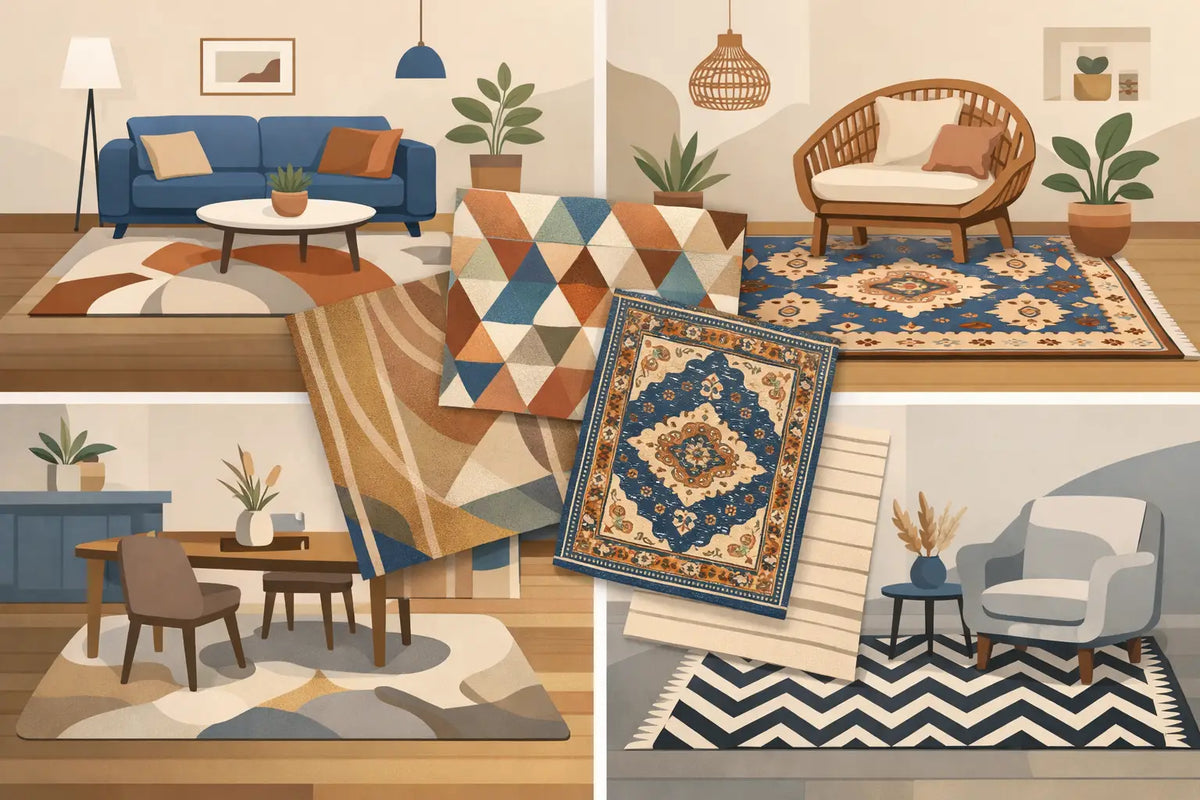
A rug can make a room feel finished in about five seconds flat - or throw the whole space off if the pattern is fighting everything else around it. That is why choosing the right rug patterns for every home is less about chasing trends and more about reading the room properly. The best pattern brings balance, adds personality and still works hard for real life, whether that means muddy paws, busy hallways or a living room that gets used every day.
Pattern is one of the quickest ways to shift the mood of a space. A soft, tonal design can calm a room down, while a bolder motif can wake it up and give it structure. The trick is knowing what your home needs rather than what looks good in isolation on a screen.
How to choose rug patterns for every home
The first thing to look at is how busy your room already feels. If you have a statement sofa, patterned cushions and plenty of artwork, a quieter rug pattern usually gives the eye somewhere to rest. Think subtle geometric lines, faded traditional motifs or low-contrast texture that adds interest without shouting.
If your furniture is clean-lined and fairly simple, you have more freedom to go stronger with the rug. A patterned piece can become the anchor that stops the room feeling flat or unfinished. In open-plan homes especially, that can make a big difference because the rug helps define the zone without adding walls or bulky furniture.
Colour matters just as much as pattern scale. A large, high-contrast design can feel dramatic in a spacious room, but the same rug in a smaller area might feel crowded. On the other hand, a small repeating pattern can add movement without overwhelming the space. It really does depend on room size, furniture shape and how much visual calm you want.
The main rug pattern styles and where they work best
Geometric patterns for modern spaces
Geometric rugs are a favourite for contemporary homes because they feel structured and clean. Stripes, diamonds, grids and abstract linear designs work particularly well in living rooms, home offices and dining spaces where you want a polished look.
They are also handy when a room needs a bit of order. If your furniture is soft and rounded, a geometric rug can bring contrast and sharpen the overall styling. In family homes, these designs also tend to hide everyday wear surprisingly well, especially in mid-tone colours with a bit of variation through the pattern.
That said, bold geometrics can date faster than softer patterns if they lean too heavily into a trend. If you want something with staying power, choose a more relaxed design in earthy neutrals, charcoal, ivory or muted clay tones.
Traditional and vintage-style patterns for warmth
Traditional rugs have serious range. They suit classic homes, of course, but they also look brilliant in more modern interiors because they add softness and character. Faded medallions, bordered designs and vintage-washed motifs bring depth to living rooms, bedrooms and formal dining areas without feeling too stiff.
These patterns are especially useful when a room needs warmth. Timber floors, white walls and simple furniture can sometimes feel a little bare, and a traditional rug fills that gap beautifully. In homes with kids or pets, the layered colours common in these designs are practical too because they disguise marks and day-to-day traffic better than a plain pale rug.
Organic and abstract patterns for a softer look
If you like modern interiors but do not want anything too sharp, organic and abstract patterns are the sweet spot. These rugs often feature painterly movement, curved forms or gently broken lines that feel relaxed and elevated at the same time.
They work well in bedrooms, sitting rooms and open-plan living areas where you want texture and flow rather than a strict motif. This style is also easy to pair with natural materials like oak, linen, boucle and stone. For Aussie living, where many homes aim for that easy indoor-outdoor feel, abstract patterns can look especially at home.
Natural woven patterns for laid-back interiors
Jute, wool flatweaves and textured natural-look rugs often rely on subtle pattern rather than obvious print. The interest comes from the weave, stripe or tonal variation, which makes them incredibly versatile. These are ideal for coastal homes, relaxed family spaces, hallways and anywhere you want the rug to feel timeless.
The trade-off is that low-contrast natural styles can show spills more quickly depending on the fibre and colour. If the area gets plenty of traffic, it is worth balancing looks with practicality and considering a washable or easy-care option in a similar look.
Matching rug patterns to each room
A living room rug usually has the biggest visual job to do, so pattern can be a powerful styling tool here. If the room feels plain, choose something with more detail and a clear identity. If the room already has strong furniture and décor, go for a pattern that supports rather than competes.
In bedrooms, softer patterns tend to feel more restful. Tonal abstracts, faded traditional designs and gentle stripes all work well because they add interest without making the room feel too switched on. A bedroom rug should support comfort first, then style.
Hallways and runners are a different story. These spaces can handle more pattern because they are transitional areas and usually need practical camouflage for foot traffic. Repeating motifs, vintage-inspired designs and darker multi-tone palettes often work beautifully here.
Dining areas need a pattern that still looks balanced once chairs are in place. Very intricate small-scale motifs can get visually chopped up under table legs, so medium-scale patterns often sit best. It also helps to choose colours and fibres that are forgiving around crumbs, spills and regular use.
For outdoor spaces, pattern can add polish without making the area feel formal. Stripes, geometric weaves and simple bordered styles suit patios and alfresco zones because they feel crisp but still easy-going. Just make sure the rug is designed for outdoor use and built to handle sun, moisture and dirt.
Pattern, lifestyle and real-life practicality
A beautiful rug still has to survive the way you live. For homes with pets, children or a lot of foot traffic, patterned rugs are often the smarter choice because they are naturally better at disguising the everyday. A rug with layered tones or a distressed effect is usually more forgiving than a flat block colour.
Washable rugs are a strong option in playrooms, kitchens and busy family zones, and many now come in genuinely stylish patterns rather than looking purely functional. If you love lighter shades, pattern gives you a way to keep that airy look while adding enough variation to make maintenance feel less stressful.
Material changes the picture too. Wool tends to offer softness, durability and natural resilience, which makes it a great all-rounder for many homes. Flatweaves can be practical in high-traffic areas and under furniture because they are lower profile, while plush piles suit bedrooms and quieter living spaces where comfort is the priority.
How to mix rug patterns with the rest of your décor
The easiest way to mix patterns well is to vary the scale. If your cushions have a fine print, a rug with a larger, more open design will usually feel balanced. If your wallpaper or curtains are bold, the rug should often step back a little.
It also helps to repeat at least one colour from elsewhere in the room. That simple connection can make a patterned rug feel intentional rather than random. You do not need a perfect match either. In fact, slightly varied tones often feel more natural and layered.
One mistake people make is trying to play it so safe that the rug disappears completely. A rug does not have to be loud, but it should contribute something - texture, movement, contrast or warmth. If it is doing none of those things, the room can end up feeling unfinished.
When to go bold and when to keep it subtle
A bold patterned rug makes sense when the room needs a focal point, when the furniture is simple, or when you want to bring energy into a neutral space. It can also be a smart move in rental homes where you want impact without changing walls or flooring.
A subtle pattern is usually the better option when you are investing in a larger rug, styling an already layered room, or choosing something meant to last through future furniture changes. Quieter patterns tend to be more flexible over time, which matters if you like to refresh your space gradually rather than redo everything at once.
If you are shopping online, it is worth checking the close-up texture and room imagery before deciding. Pattern can read very differently depending on pile height, weave and lighting. A rug that looks bold in a product shot may feel much softer once it is in a full room setting.
At Cosy Rugs, this is exactly where curated choice matters. You want enough variety to suit your style, but not so much that it becomes guesswork.
The right rug pattern should feel like it belongs in your home from day one. Not because it is the loudest choice or the safest one, but because it suits the way you live, the way your room feels and the kind of comfort you actually want to come home to.


Leave a comment
This site is protected by hCaptcha and the hCaptcha Privacy Policy and Terms of Service apply.